
Organising a summer cricket festival for local families
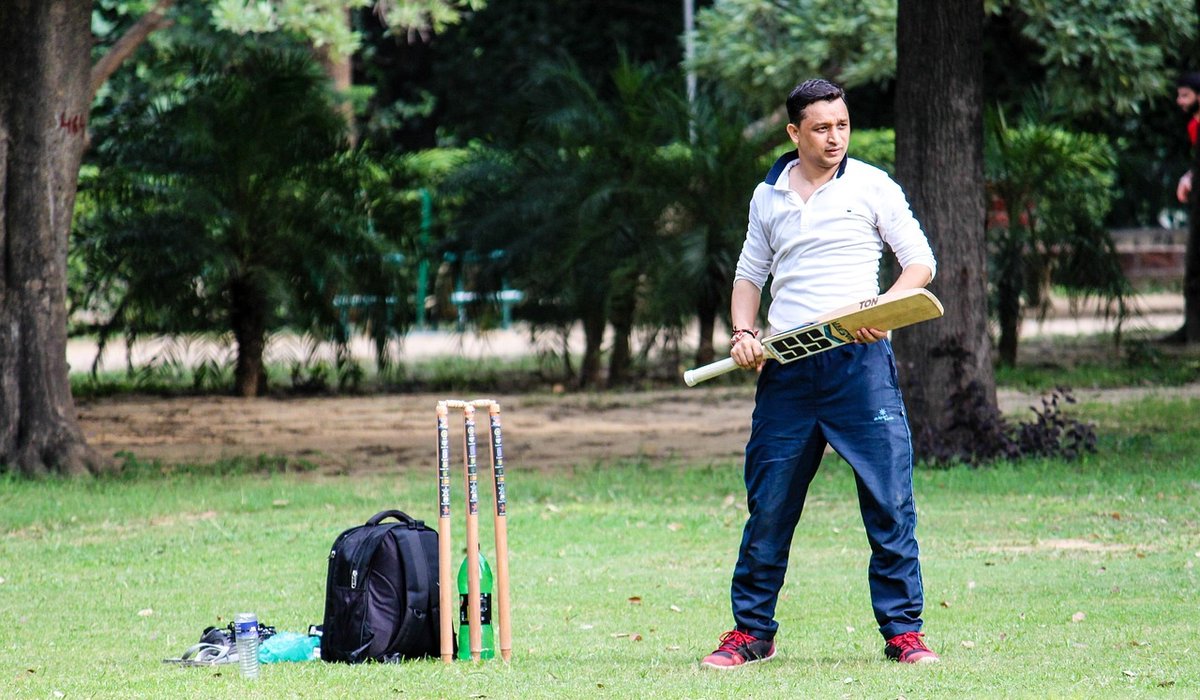
A cricket festival is one of the few events that genuinely brings a whole village together. Grandparents settle into deckchairs, juniors queue for a go in the nets, and neighbours who usually only wave across the road end up sharing a slice of cake and a chat about the state of the square. Get it right, and you raise a decent sum for the club while reminding everyone why the ground matters. Get it wrong, and you spend the day running between the barbecue and the scorebox. The difference is planning.
Start with a date, a purpose and a small committee
Pick a Saturday in late June or early July, then check it against school sports days, local fetes, county fixtures and the start of the summer holidays. A clash can halve your footfall. Confirm the ground is free, the pavilion is available and the mower has been serviced before you announce anything.
Decide what the money is for before you start. "New nets and a sightscreen" is far easier to sell than "club funds". Set a target, write it on a board at the gate, and update it through the day so people can see the total climbing.
- Chair: keeps the timetable and chases everyone
- Treasurer: holds the float, counts the takings, pays suppliers
- Stalls lead: recruits helpers and sources prizes
- Cricket lead: arranges teams, umpires and kit
- Catering lead: food orders, hygiene and shift rotas
Meet fortnightly in the six weeks beforehand, and check that the club's insurance covers a public event. Appoint a named first aider and make sure your safeguarding policy is up to date.
Stalls that actually pull a crowd
The best stalls are cheap to run, quick to play and easy for a volunteer to supervise alone for an hour. Mix free activities with paid ones so families can stay for hours without spending a fortune.
- A second-hand kit swap, where donated bats and pads sell for a couple of pounds
- Beat the bowler in the nets, with a speed gun or a target to hit
- Tombola, coconut shy, hoopla and a lucky dip for younger children
- Plant, book and craft stalls run by parish groups or a nearby allotment society
- A raffle with prizes donated by local shops, pubs and tradespeople
Keep entry to each stall at £1 or £2 and use one central token system if you can. It saves volunteers from handling change constantly and makes the money easier to reconcile at the end of the day.
Junior cricket that keeps everyone involved
The cricket should be the spine of the day, not an afterthought. Run a soft-ball kwik cricket festival for under nines and under elevens, inviting three or four neighbouring clubs. Eight-a-side, eight overs each, twenty-minute matches and a round-robin format keeps things moving and means no child sits out for long.
Schedule it sensibly. A 10am start for team registration, matches from 10.30am to 12.30pm, a parents-and-children pairs game at 1pm, then an adult Twenty20 or a friendly against a neighbouring side from 3pm. That gives families a reason to stay and gives the bar and tea tent a steady stream of customers.
Use qualified coaches and adults who are DBS-checked, keep the adult-to-child ratio sensible, and have a clearly marked meeting point if a child gets separated from their grown-ups.
Refreshments, the barbecue and the cake tent
Food is where most festivals either make their money or lose it. Keep the menu short, price it simply and buy in bulk from local suppliers. Burgers at £4, hot dogs at £3, tea and coffee at £1.50 and cake at £2 is easy to advertise and easy to tally.
Have someone with a current food hygiene certificate overseeing the kitchen, keep a fridge thermometer in the cold store, and provide free chilled water for players and children. Include a vegetarian option and something gluten-free, clearly labelled, because someone will always ask.
If you plan to sell alcohol, check the club's licence and whether you need a temporary event notice. Volunteers should work in two-hour shifts so nobody misses their own child's match, and a rota pinned up in the pavilion saves a lot of quiet resentment.
Fundraising that adds up across the day
Small income streams, gathered patiently, will comfortably beat one big raffle. Charge £2 entry for adults with children free, and put a bucket on the gate for donations. Sell a simple printed programme with the day's timetable and a strip of raffle tickets inside.
- Sponsor a match ball or an over for £10, with names read out over the PA
- A silent auction for donated experiences, vouchers or a signed bat
- A cake auction after the junior matches, when the crowd is at its peak
- A "guess the score" competition for the adult fixture at £2 a go
Take both cash and card, keep a float of around £100 in small notes and coins, and bank the takings the following morning rather than leaving them in the pavilion.
Keeping the day running smoothly
Print a running order and pin it at the gate, in the pavilion and behind the bar. Put marshals on the car park from 9am, and let nearby residents know a fortnight in advance so they can move their cars and plan around the noise. Complete a written risk assessment, check the marquee or gazebo is properly weighted down, and have a lost-child procedure that every volunteer knows.
At the end, do a litter pick, thank every helper by name on the club noticeboard, and hold a short debrief while it is still fresh. Note what sold out, what nobody touched and how many hours each stall took. That single page of notes is what turns next year's festival from a scramble into a tradition.

4 Comments