
How to umpire a friendly match with confidence
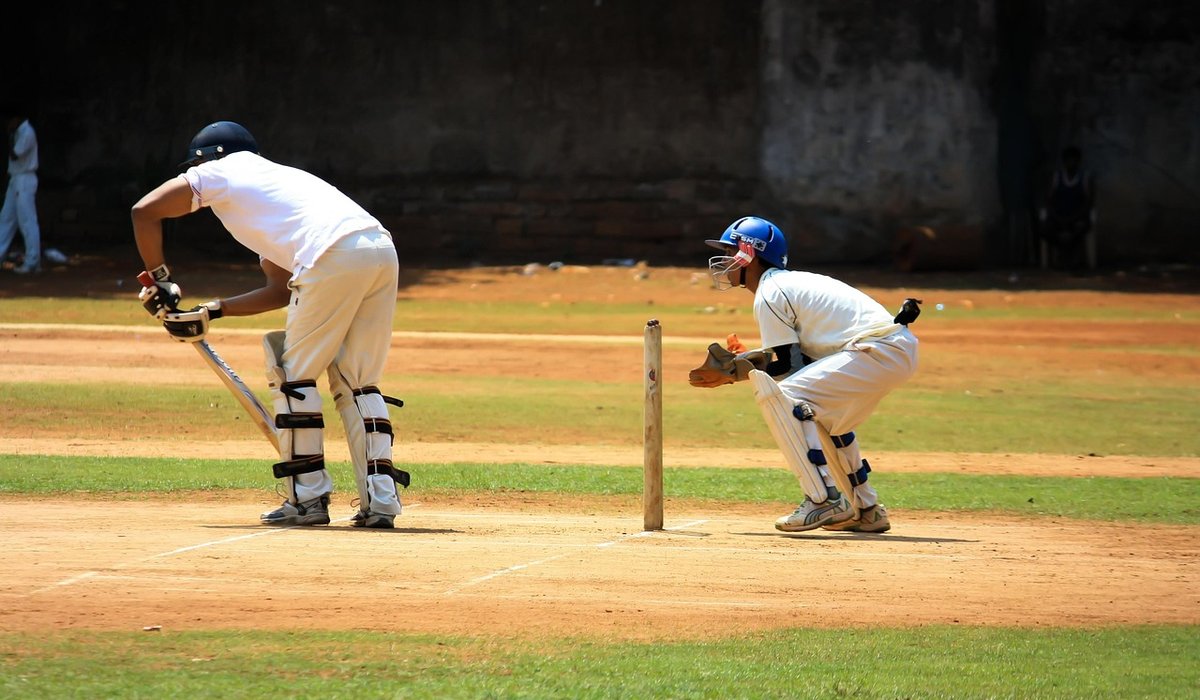
Being asked to umpire a friendly is a compliment. It means someone trusts you to keep the game fair, calm and moving along. You do not need a qualification, a white coat or a cupboard full of kit – just a clear head, a decent view and the confidence to make a decision and stick with it. These basics will carry you through the afternoon.
Before the first ball: a short routine that settles the nerves
Arrive early and walk the ground with your fellow umpire. Ten minutes of preparation saves an afternoon of argument.
- Check that the stumps are upright, the bails sit properly and the creases are clearly marked at both ends.
- Agree with both captains on the practical details: number of overs, start time, drinks intervals, whether there is a time limit, and any local variations such as no free hits or a cap on overs per bowler.
- Confirm who is scoring, where the book will be at the interval, and who keeps the match ball.
- Decide between you who takes which end and who signals what. The bowler's end umpire normally handles the striker's end – bowled, caught, leg before wicket and stumped – while the square leg umpire helps with run outs and gives an opinion if asked.
- Count the fielders before the first ball of each innings, and again whenever a substitution is made.
The signals you will actually need
Signals matter because the scorers rely on them and the players at the far end cannot hear you. Make them big, hold them long enough to be seen, and speak the call at the same time.
- No ball – one arm held out horizontally to the side, with the call "No ball!"
- Wide – both arms extended horizontally, with the call "Wide!"
- Bye and leg bye – raise an open hand above the head; for a leg bye, tap the raised knee. Calling them loudly helps too, but the signal keeps the book straight.
- Four – wave one arm across the body in front of the chest.
- Six – both arms raised straight above the head.
- Out – raise the index finger and say "That's out".
- Dead ball – cross both arms in front of the chest and call "Dead ball".
- Short run – bend one arm up to the opposite shoulder to show a run is being disallowed.
- Revoke – tap the shoulder to show that a previous signal is being cancelled.
Practise them in the clubhouse beforehand. Comically large signals are never wrong; small, apologetic ones cause chaos in the scorebook.
Positioning: stand still and trust your line
At the bowler's end, stand in line with the stumps, slightly to the side the bowler is not using and a couple of metres back. Never stand where you block the wicketkeeper's view or the bowler's run-up. Players move; you do not. Watch the front foot for the no-ball call, then follow the ball through to bat, pad and stumps. Count the six balls quietly to yourself.
At square leg, take up a position roughly 15 metres from the stumps, in line with the popping crease, well clear of any fielder. Move only when the ball is dead, and always keep an eye on the batter's crease as the throw comes in. If the fielding side wants closer decisions covered for the final over, agree before the game who goes where rather than shuffling about mid-innings.
Calling clearly and dealing with appeals
Speak loudly, signal clearly and keep eye contact with your colleague and the scorers. When there is an appeal, take a moment and look for three things: has the batter hit it, where did the ball pitch, and where would it have gone? If you genuinely do not know, the answer is not out. Nobody thanks an umpire for guessing, and a brisk, confident "not out" is always better than a hesitant "out" that gets argued about for ten minutes.
For leg before wicket, keep it simple. Pitching outside leg is never out, and the ball must be going on to hit the stumps. In a friendly, if the batter has clearly got a thick inside edge, you will usually see or hear it – trust your senses and give it not out with a smile.
Managing the awkward moments
- Dissent: stay calm, restate your decision once, and move the game on. Do not get drawn into a debate at the end of the over.
- Repeated no balls or dangerous bowling: have a quiet word with the captain, then apply the agreed sanctions if it continues.
- A batter who will not walk: ask the captain to help, and remind both sides of the match rules. Friendlies survive on goodwill, and a firm reminder usually restores it.
- Disputed catches: if you were unsighted, say so and give the benefit of the doubt to the batter. Honesty costs nothing and keeps respect.
Enjoying the responsibility
Every umpire has the occasional bad afternoon, and the best local umpires are not the ones who know every law by heart but the ones who are consistent, friendly and decisive. Be patient with the young bowler finding his line, be firm with the old hand who is testing you, and remember that the whole point is a good game of cricket. Check the scorebook with the scorers at the interval and at the close, thank both captains, and by tea you will have a fresh appreciation for everyone who stands in the middle. You will almost certainly be asked again next week – and you will say yes.

4 Comments